First, know what the shirt is for
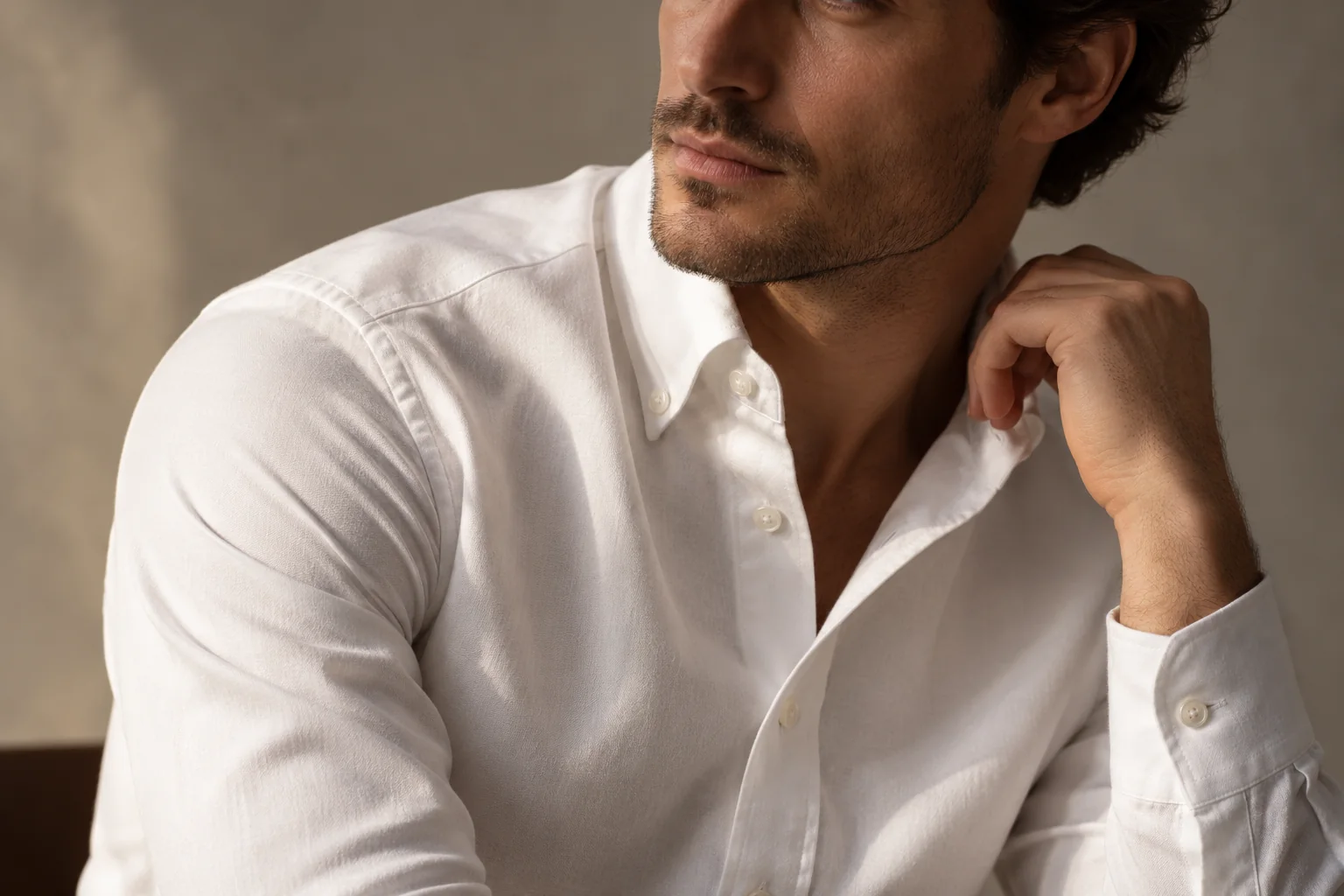
An Oxford cloth button-down is usually a casual or business-casual shirt, not a formal dress shirt. Its textured cloth and buttoned collar make it easy to wear with denim, chinos or a casual jacket. Some versions are cut neatly for tucking into trousers; others are shorter and designed to be worn untucked. Decide which use matters more before judging the length or shape.
Check the collar without over-tightening it
When buttoned at the neck, the collar should feel secure without pressing into your throat. A common fitting check is to see whether a finger can slide comfortably between the collar and neck, but comfort and the brand's intended collar style matter more than an exact count. If you plan to wear the shirt open, the collar should still sit cleanly and not collapse awkwardly under a sweater or jacket.
Shoulder seams and chest ease
On a conventional fit, the shoulder seam should sit near the edge of your shoulder. A deliberately relaxed shirt may drop farther, but that should look intentional across both sides. Fasten the chest buttons and reach forward. If the placket pulls into an X-shaped crease or buttons gape, the chest may be too tight. If fabric billows heavily under the arms, the cut may be too generous for the way you want to wear it.
Do not judge a shirt only while standing straight. Hug yourself, sit, type and lift your arms. These small movements reveal whether the back pleat, armhole and sleeve give enough room. A trim shirt that restricts movement is not improved by looking close in a still mirror.
Sleeve and body length depend on styling
With the cuffs fastened, the sleeve should reach the wrist area without swallowing the hand. A little movement is normal; cuff shape and arm length vary. For a tucked shirt, the hem needs enough length to stay in place when you sit and stand. For an untucked shirt, a shorter hem often looks more balanced, but it should still cover the waistband and not ride up as soon as you raise your arms.
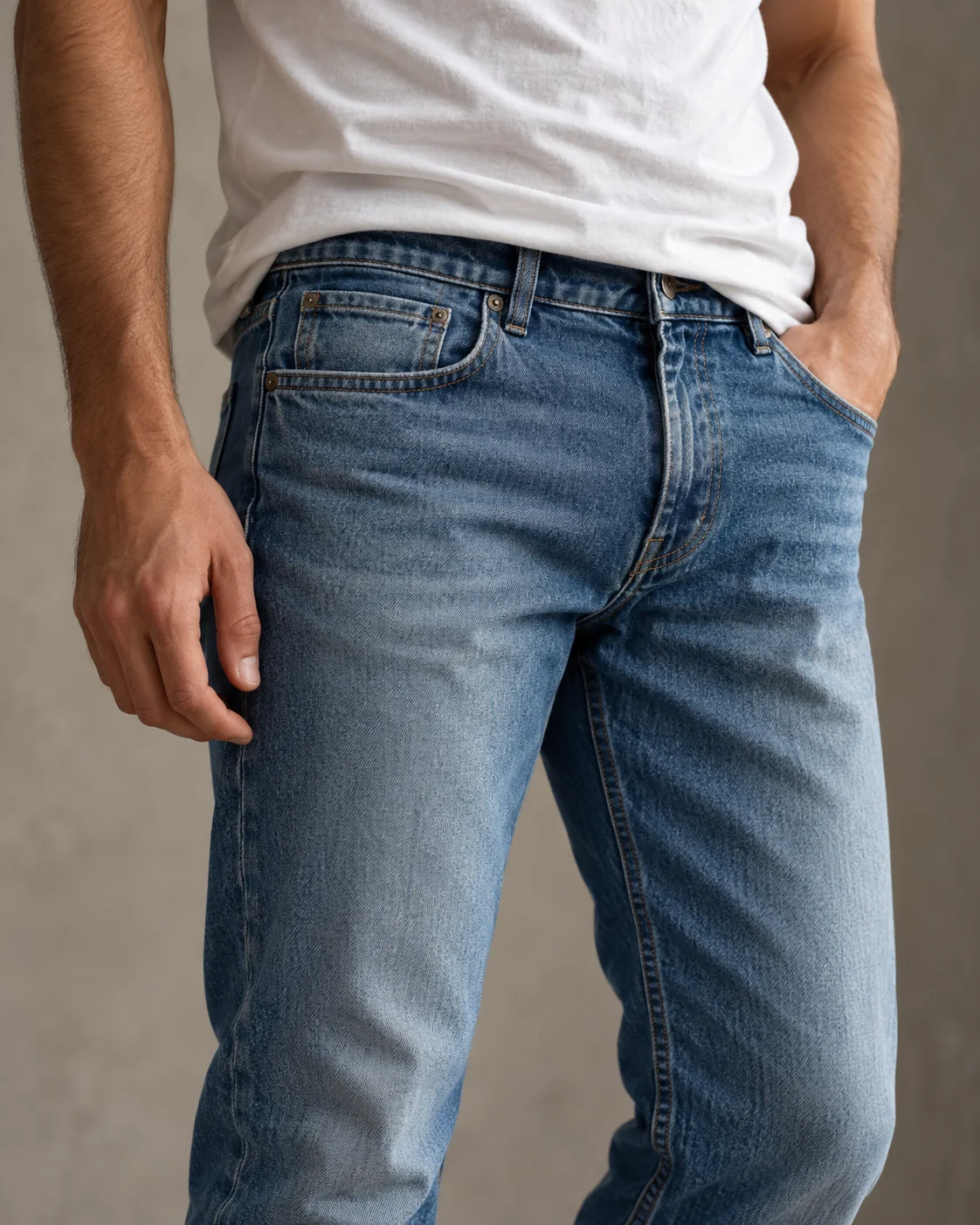
Try the shirt with the trousers you expect to wear. A long shirt over low-rise jeans can look disproportionate; a shorter shirt may not stay tucked into higher-rise chinos. A mirror comparison with your usual shoes gives you a better sense of the full silhouette.
Read an online size chart carefully
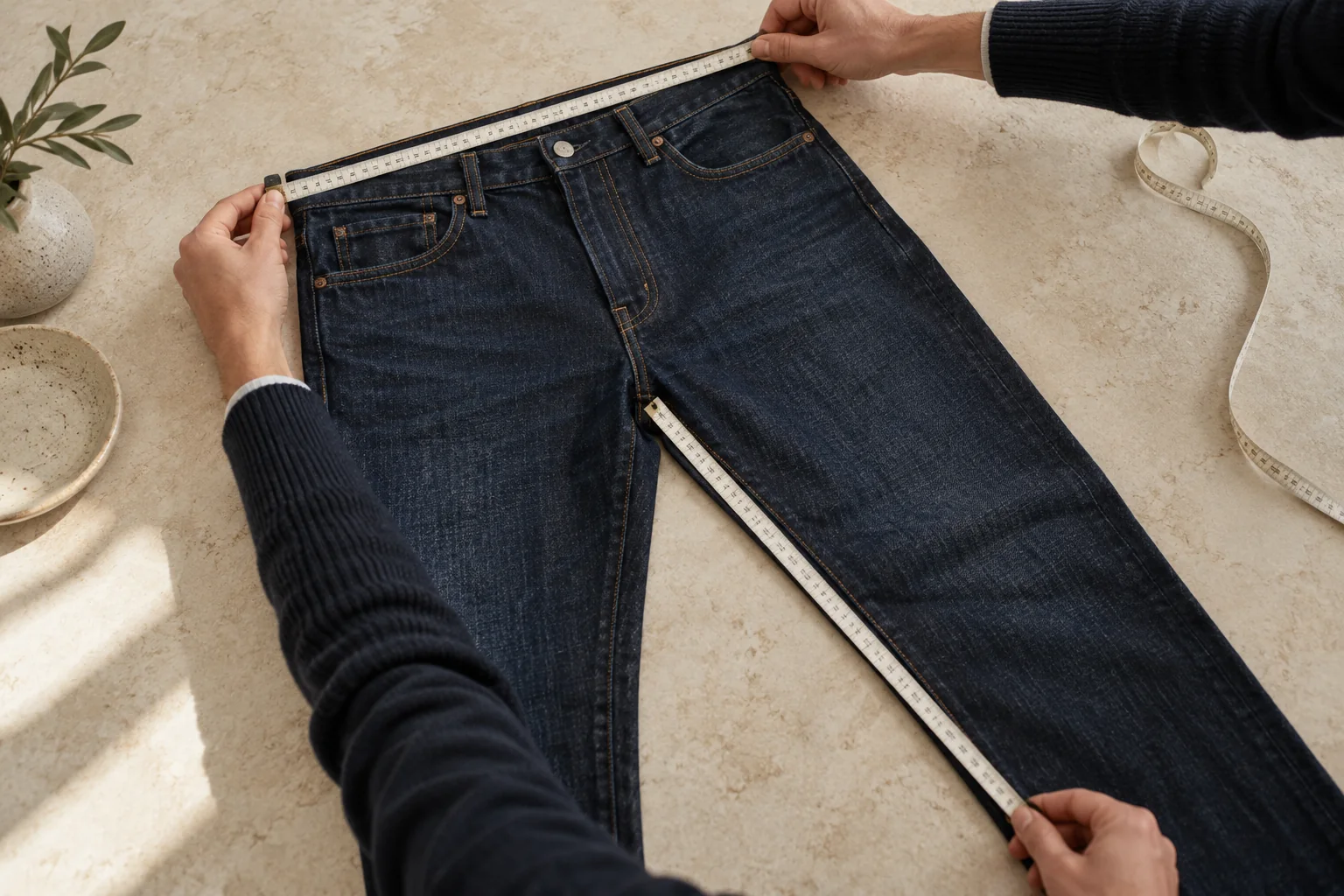
First check whether the chart gives body measurements or garment measurements. For a garment chart, lay a shirt you like flat, smooth it without stretching, and compare the chest width, shoulder, sleeve and back length using the same method. A flat chest measurement is not the same as your body circumference; ease must remain for movement and layering.
Size labels are not consistent across brands or even across all cuts from one brand. Reviews can offer clues, but separate comments about a specific model and date from broad statements about a whole label. When the chart does not explain how measurements are taken, contact the retailer or use a return policy you understand.
Choose details that suit your wardrobe
White and pale blue are versatile starting points; stripes or oxford cloth colors can add character while remaining easy to combine. Look at pocket placement, collar roll, button color and fabric opacity in product photos. A white shirt worn alone may require more attention to undershirt color and fabric thickness than a mid-blue version.
Keep the shirt looking considered
Follow the care label and remove the shirt promptly after washing to reduce deep creases. Use a hanger broad enough to support the shoulders and button the top button if the collar tends to spread. If you iron, a slightly damp cloth can be easier to press neatly. These small habits often matter more to the shirt's appearance than buying a more elaborate version.
For a complete outfit, pair an Oxford shirt with the right rise and leg line from our men's jeans fit guide, or compare denim with chinos in our trouser comparison.