What cotton tends to offer
Cotton shirts span a broad range, from smooth poplin to textured Oxford cloth and heavier twill. That variety makes cotton easy to wear across seasons, but the fiber name alone does not tell you how warm or structured a particular shirt will be. Look at the weave, thickness, lining if any, and the product photos. A densely woven shirt can feel more substantial than a light, open cloth even when both are cotton.
What linen tends to offer
Linen is valued for its distinctive texture and relaxed appearance. Many linen shirts feel airy in warm conditions, but sleeve length, fabric density and cut still matter. Linen wrinkles more visibly than many smoother cotton fabrics; for some people, that lived-in texture is part of the appeal, while others prefer a cotton or cotton-linen blend with a neater surface.
A blend can balance characteristics, but it should not be assumed to eliminate wrinkles or guarantee a particular level of comfort. Read the fiber percentages and care label, then choose based on the garment you can see and the routine you are willing to follow.
Match the cloth to the day
For a warm afternoon, a lighter shirt in a breathable weave can work well over a tee or on its own. For cooler evenings, a medium-weight cotton shirt or overshirt may add more structure. Indoor air-conditioning, wind and sun exposure can change comfort, so a removable layer is often more adaptable than trying to find one fabric that handles every temperature.
Use fit and color to support the fabric
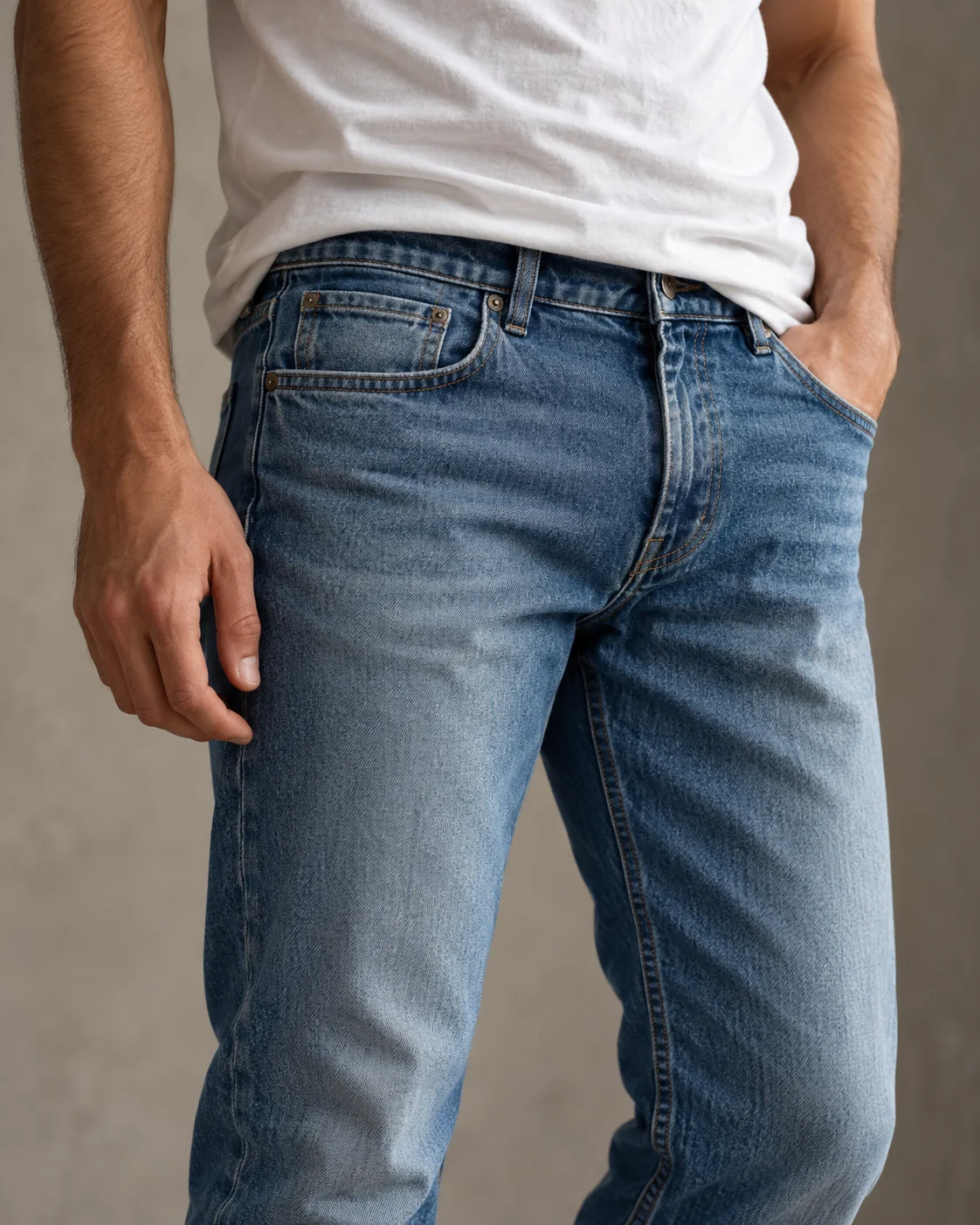
A relaxed linen shirt may look intentional with straight trousers or shorts, while a sharper cotton shirt can pair easily with dark jeans or chinos. The hem length should match whether you intend to tuck it. If you wear the shirt open, check the shoulder line and body length over your base layer.
Natural colors—white, ecru, pale blue, olive and sand—make summer shirts easy to combine, but choose colors that complement your existing wardrobe. Texture adds visual interest, so keep the rest of the outfit simple if the cloth is strongly slubbed or visibly woven.
Care for the garment you actually bought
Care instructions differ by finish and blend. Wash according to the label, avoid unnecessary high heat and reshape the garment while damp if that is appropriate. Linen may be worn with natural creasing or pressed more neatly; neither approach is inherently better. If you iron, check the label and test a less visible area where you are uncertain.
Hang shirts on a broad enough hanger or fold them if the fabric stretches under its own weight. Drying in direct sun can affect some colors over time. These are modest habits rather than guarantees, but they can help keep clothes ready to wear.
Make one shirt do more
A pale linen shirt can work open over a tee, buttoned with chinos or rolled at the sleeves for a casual dinner. A textured cotton Oxford can sit beneath a knit or overshirt. Before adding another piece, test the shirt across several outfits. For denim combinations, our jeans wash guide helps you choose colors that work with your layers.